
Welcome to the CULINARIUM ALPINUM - Information about this Mediaguide
Welcome to the CULINARIUM ALPINUM - Information about this Mediaguide
Welcome to the CULINARIUM ALPINUM - Information about this Mediaguide
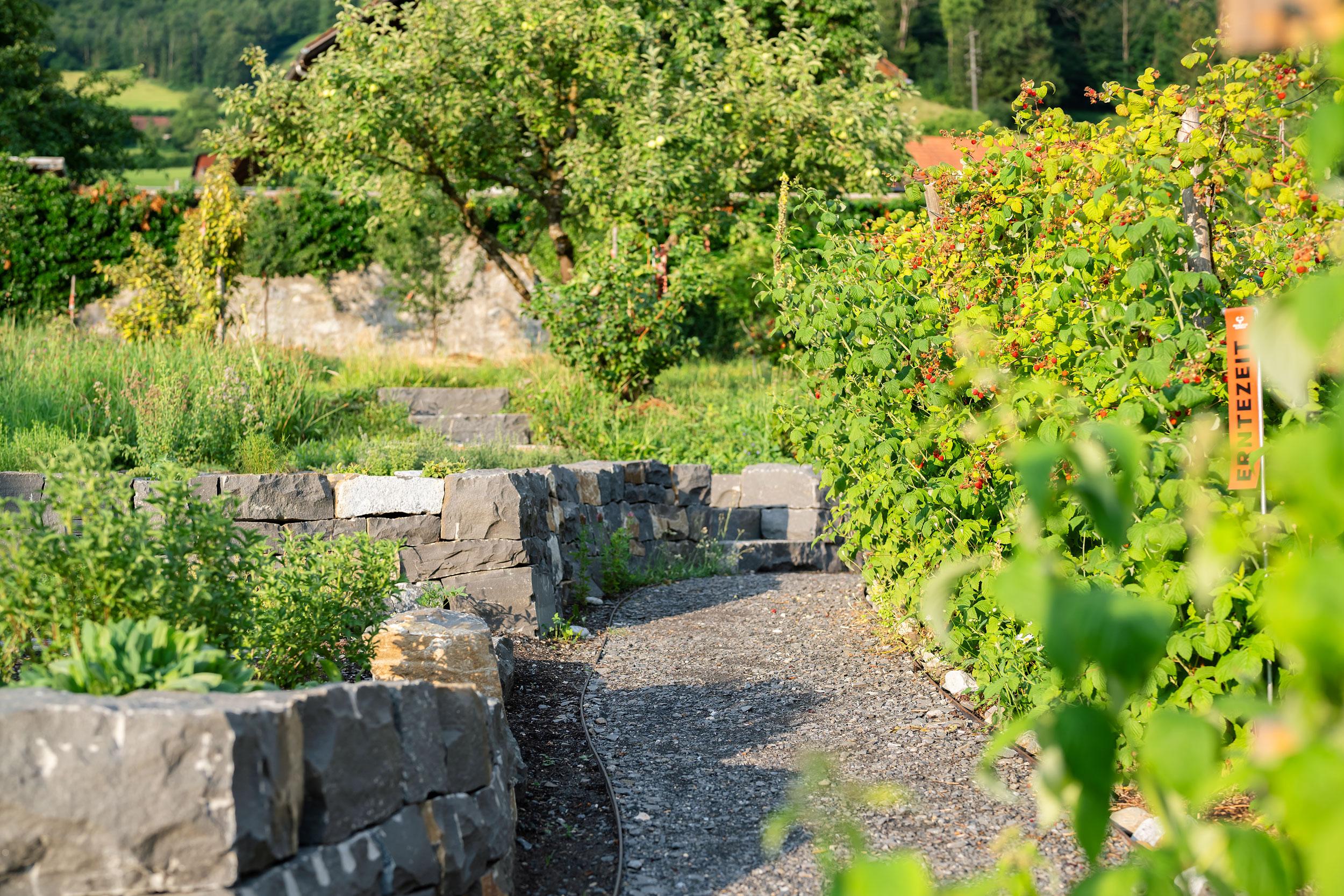
Welcome to the Edible Landscape of the CULINARIUM ALPINUM. Here you can stroll, smell and even snack! Yes, they are located in a snack garden that is open to the public at all times. You are invited to taste ripe fruits and berries. Herbs can be smelled and edible flowers invite you to try them. However, in order to promote biodiversity, plants are also essential for bees, insects and birds. Therefore, there are also plants in the edible landscape that are not edible for humans. That’s why it’s important to only taste what you know or where the „Erntezeit“ sign is.
The edible landscape
The edible landscape
The edible landscape
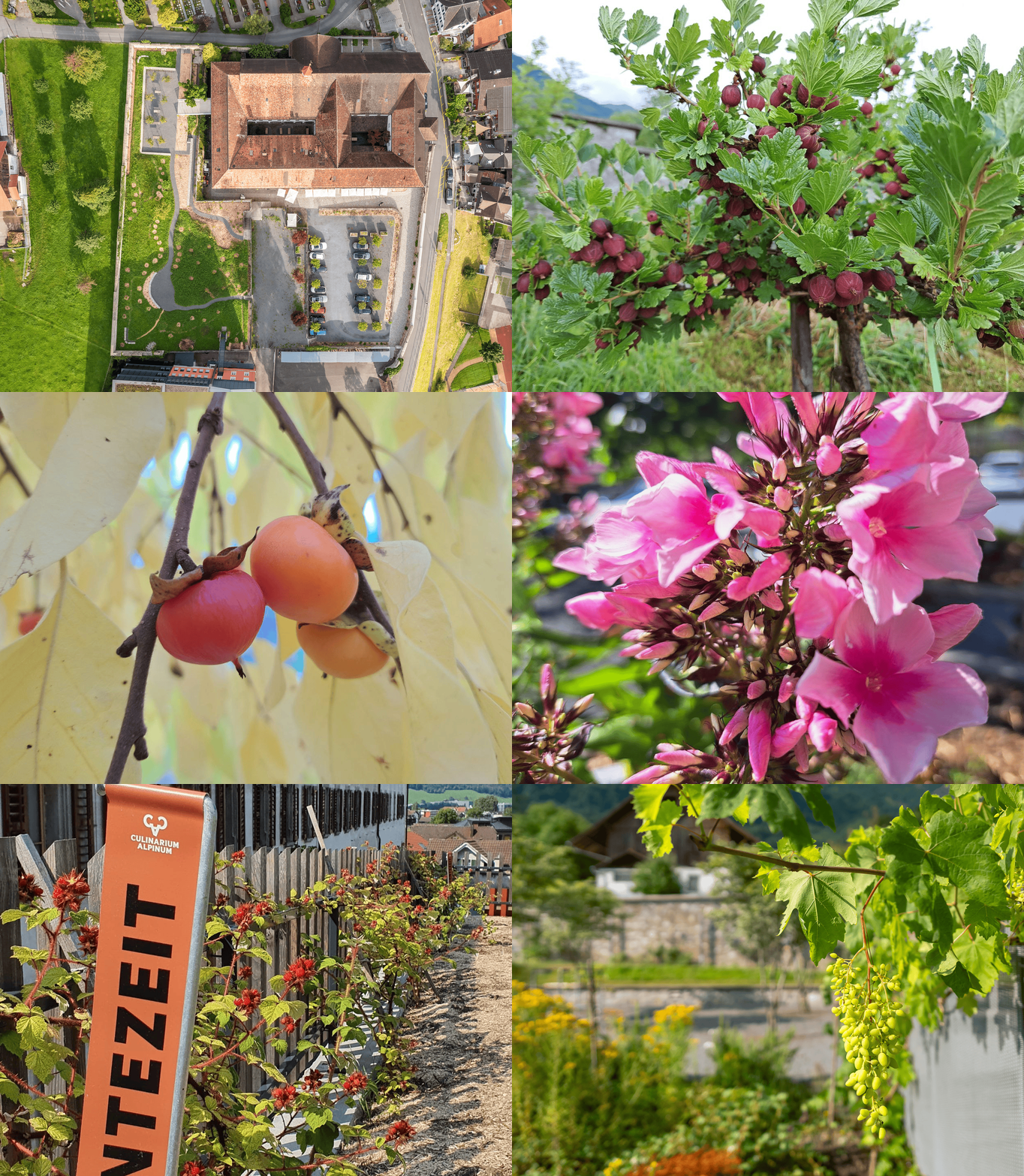
We start our tour at the monastery fountain and the first fruit tree greets you: directly in front of you is a persimmon tree. Like many of his fruit tree colleagues, he is labeled with a label on a branch. In November, it drops all its leaves and its orange fruits shine like Christmas balls on its branches. The persimmon tree stands in a bed that is laid out in an L-shape around the parking lot. More than 20 edible plants are already growing here.
A perfect example of the term „edible landscape“. Fruit can thrive anywhere – in parks, school gardens, on green verges or in front of kindergartens. Actually, no area is too small not to be planted. There are countless such areas in our communities and villages. Why create a lawn or gravel strip when we can just as well plant fruit, berries and herbs? Wouldn’t it be wonderful if we could snack on berries directly at our school buildings, community squares and bus stops?
On this tour, we will show you different ways in which edible landscapes can be designed. Let yourself be inspired…
Now walk further down and turn right at the monastery wall. You walk along the driveway – to your right is the fruit hedge and to your left is the monastery wall with fruit trellises.
The fruit espaliers
The fruit espaliers
The fruit espaliers
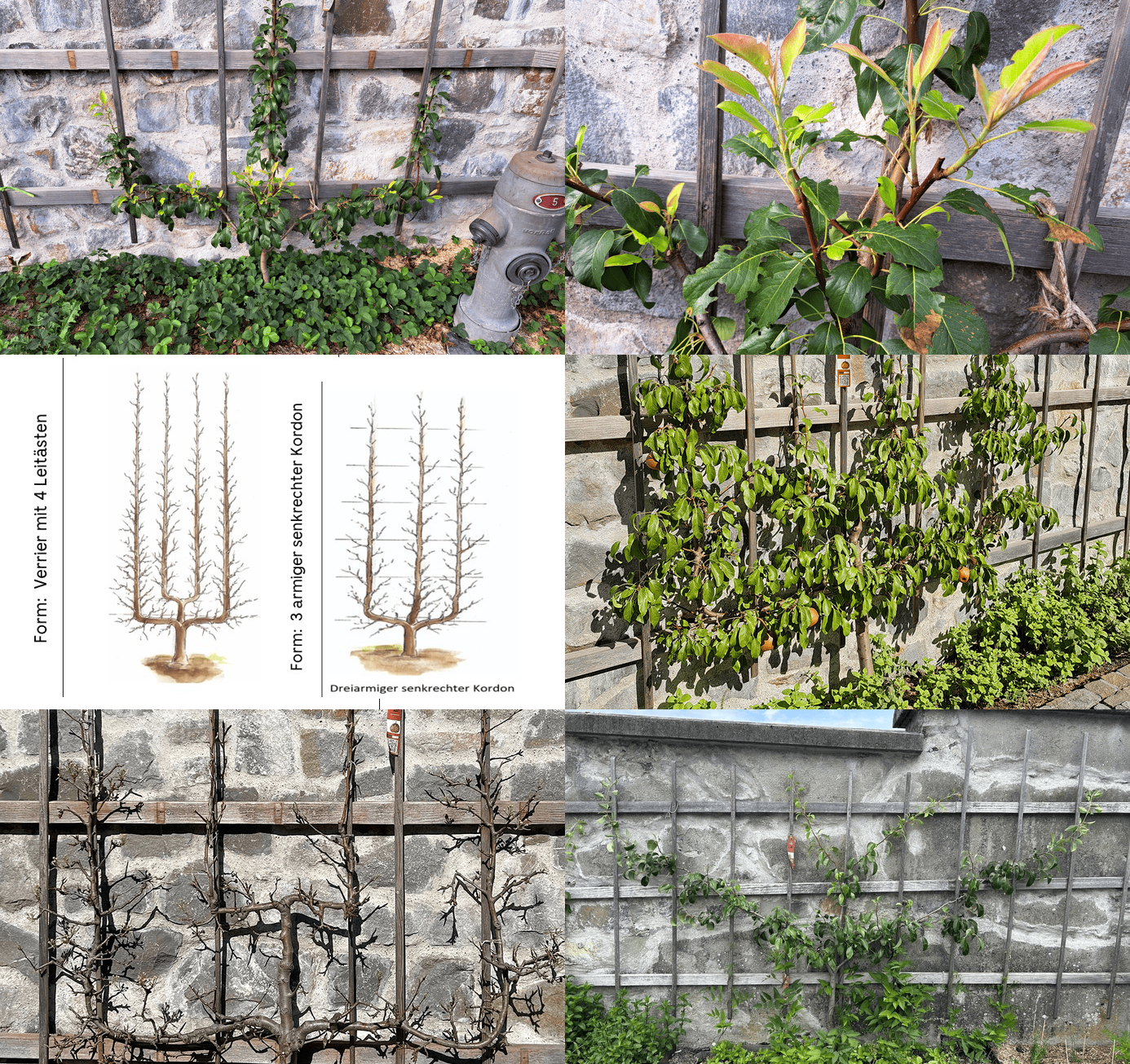
Espalier fruit trees grow on this monastery wall. We have received ProSpecieRara varieties for thirty different varieties of pears and two varieties of apples. So on your tour you will discover even more trellises.
Espaliers are a garden art. This centuries-old cultural technique was developed in the Middle Ages and the Renaissance, especially in European palace and monastery gardens, but also in rural fruit growing. She deals with the cultivation of fruit trees along garden walls or on free-standing espalier.
The trees cultivated on espalier have the potential for high and regular yields and a lifespan of 60 to 100 years. Due to their small footprint, more species and more varieties of a species can be planted in a small soil area, which promotes biodiversity. That is why more and more municipalities are once again including espalier trees in their tree and sustainability strategies.
Espaliered fruit crops have almost completely disappeared from professional fruit growing. This also threatens to lose the extraordinary know-how associated with it. To prevent this, the „Friends of the Royal Vegetable Garden Association“ have initiated a training course in espaliering in Versailles, so that the last great masters of this subject can still pass on their knowledge. The CULINARIUM ALPINUM, together with the FRUCTUS association, also regularly offers courses on espalier pruning for hobby gardeners and professionals.
Turn right again and climb the stairs to the next garden level.
The ruderal area
The ruderal area
The ruderal area
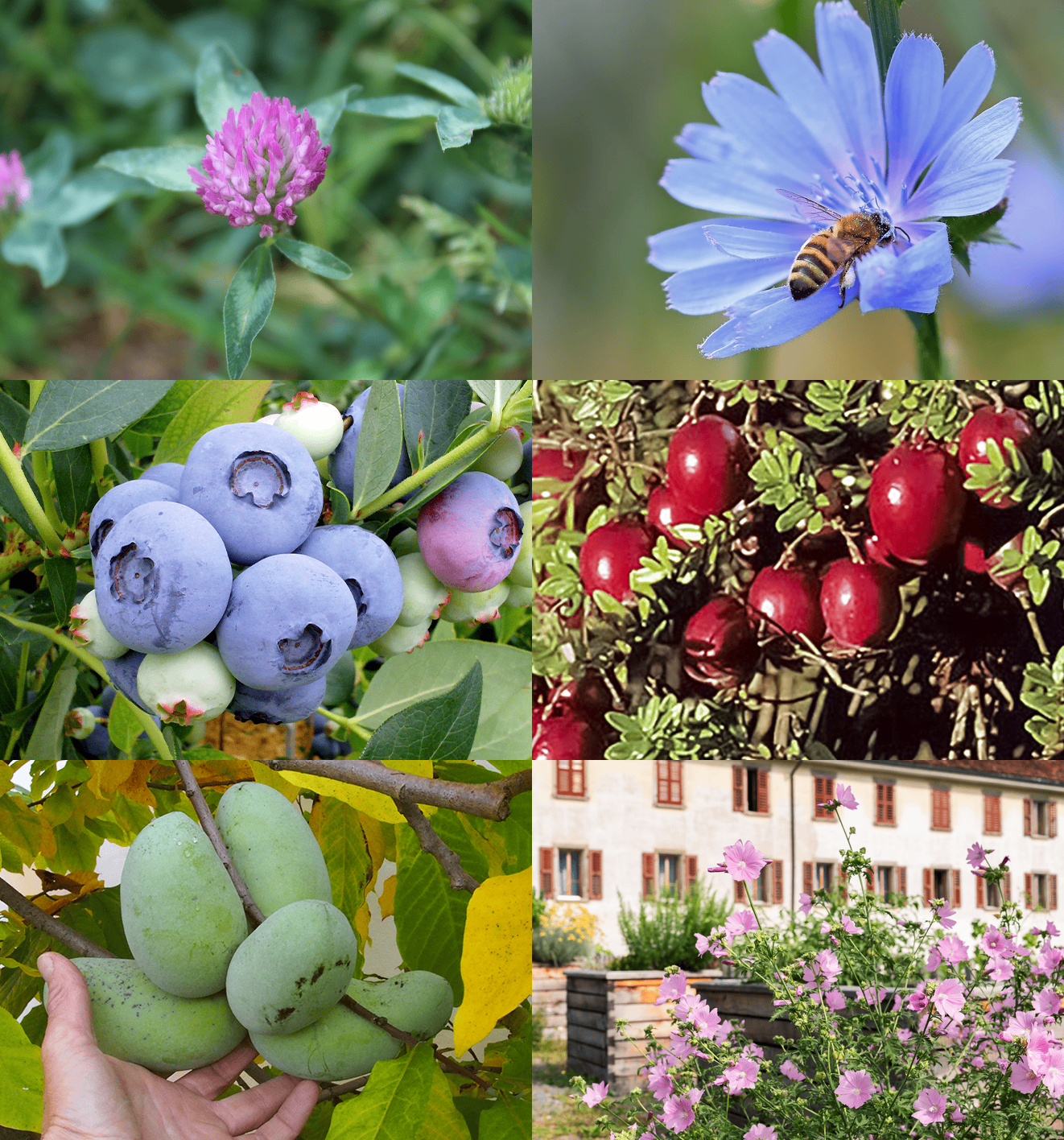
You are now on a large gravel site, a so-called ruderal area. It is our fire brigade access road and may not be built on so that the fire brigade has free access in an emergency. Nevertheless, there is a lot to discover here. The gravelly area offers a home to many wild plants that like it dry and poor in nutrients. A paradise for biodiversity. Edible wild plants such as clover, yarrow, ribwort and chicory have also found a home here.
Various herbs and berries grow in the raised beds. In one of the raised beds they find mayberries. The fruits ripen very early, hence their name mayberry. It originally comes from colder regions, especially from Siberia. The mayberry is mainly nibbled fresh from the bush. The aroma of the fruit is best fresh. Cultivated blueberries, cranberries and cranberries are bog bed plants. They need acidic soil to thrive. This type of soil can be provided very well for them in a raised bed. Can you find the two raised beds with these plants?
Do you recognize the three trees between the raised beds? So far, they have only rarely been found in our area. They are pawpaws, also known as Indian bananas. It is called Indian banana because the indigenous people of North America already cultivated it. Their fruits taste delicious of vanilla, mango and banana. Unfortunately, the fruits cannot be stored for long, but you can also freeze them and spoon them out like an ice cream sundae: Wonderful!
Go up another flight of stairs and follow the path to the roundabout with seating. On the right you can see the orchard.
The orchard
The orchard
The orchard
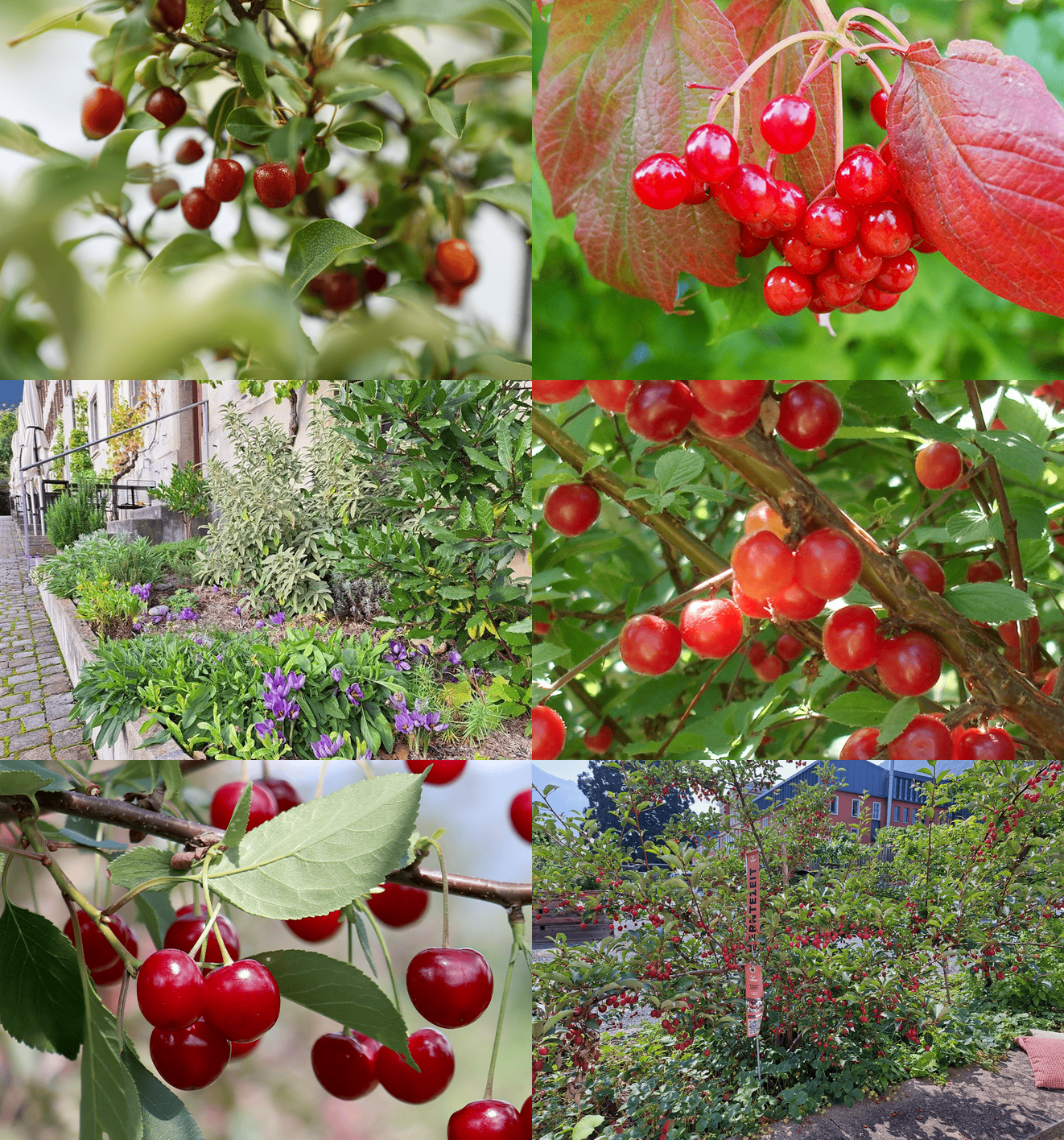
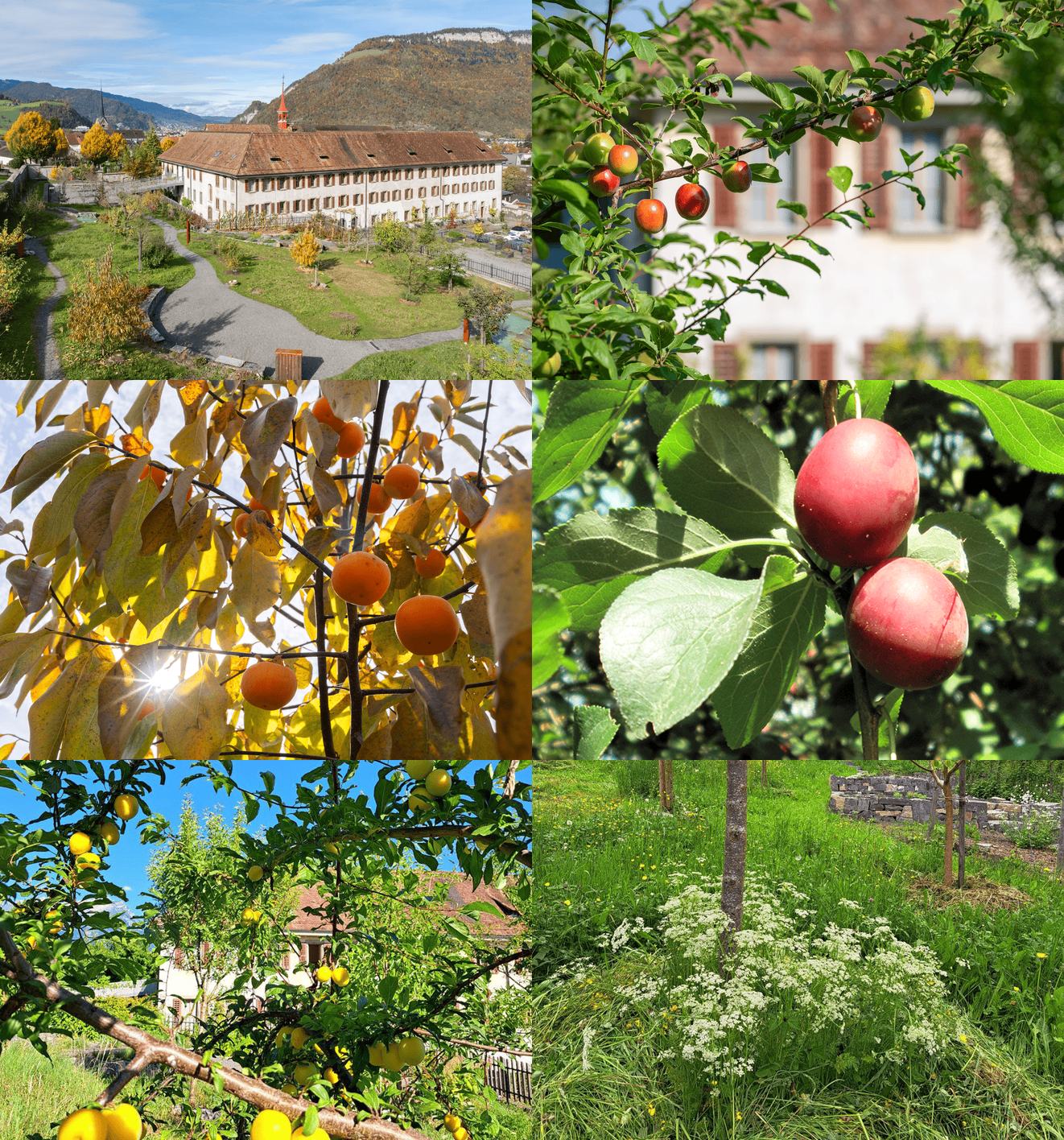
A young orchard is spreading here. Orchards originally arose from the dual use of agricultural land: the hay was used for cattle, the fruit for self-sufficiency. The trees were not planted in fixed rows for this purpose, but apparently „scattered“. If a tree failed, it was simply replaced by a variety that was available at the time – creating a colourful variety. Orchards and their species-rich habitats have become rare today – but their ecological importance remains high.
In the CULINARIUM ALPINUM, the idea was rethought: small-crowned varieties were chosen that are also suitable for urban or village areas. The vision behind it: Switzerland as an edible landscape – full of living orchards in settlements, parks and in front of community centres.
Whether quince or sour cherry, mulberry or plum: fruit trees can offer delicious fruit as local suppliers in public spaces and create space for encounters. The CULINARIUM ALPINUM shows how it’s done – and invites communities, schools and committed people to take up this idea. Because there is a place for a slender pillar fruit everywhere. Also in your city?
Leave the roundabouts and follow the path that continues above the roundabouts along the monastery wall. First you cross the wild fruit corner and on the way to the garden room you will discover rarities.
The wild fruit hide and the rarities
The wild fruit hide and the rarities
The wild fruit hide and the rarities
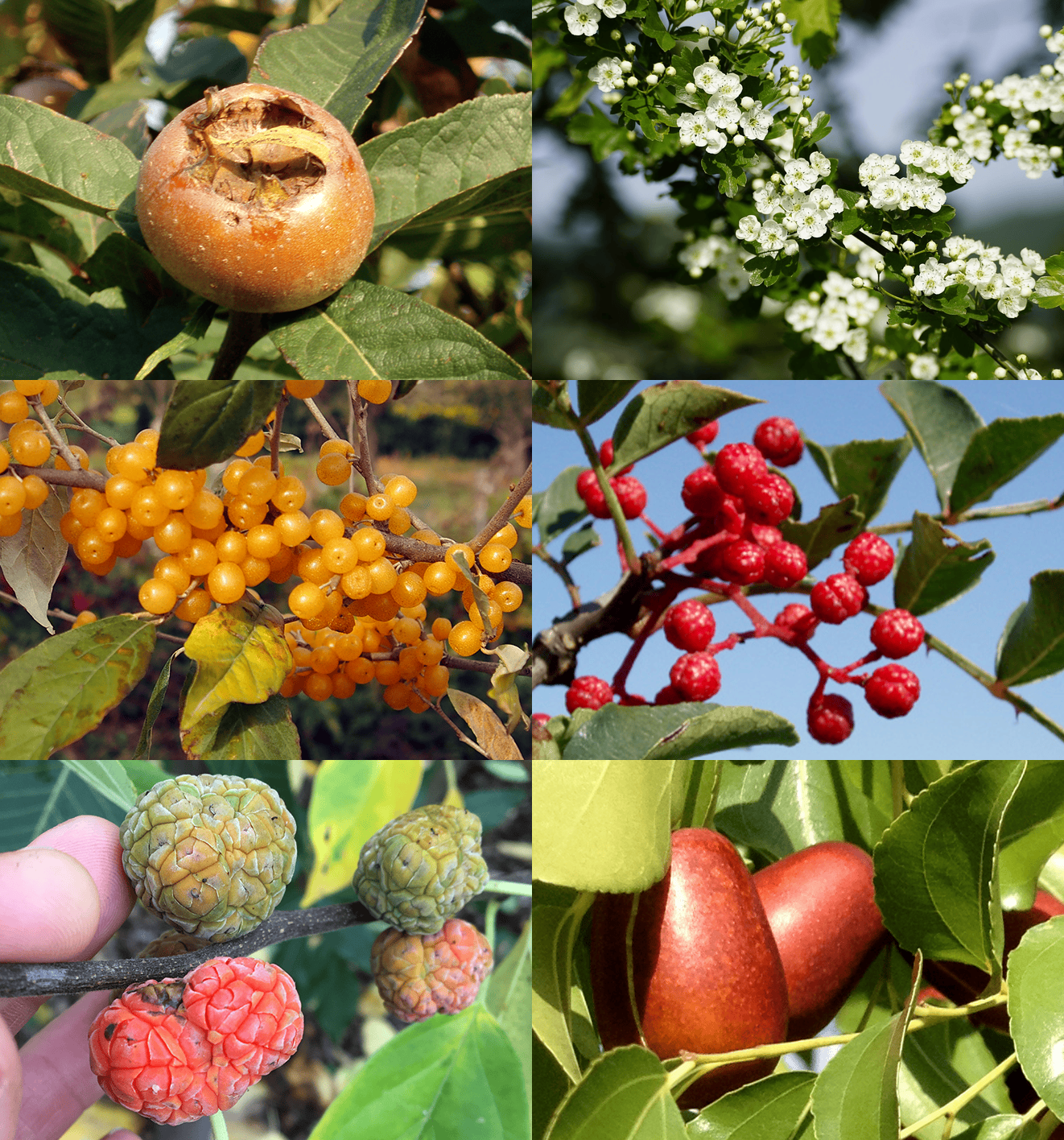
If you plant native shrubs in the garden, you are doing nature and yourself good: shrubs store water, cool the environment in the heat, provide food and hiding places for countless animals and also give us flowers and wild fruits. Here you will find native wild fruits such as medlar, cornelian cherry, hazel, elderberry, snowball, hawthorn, blackthorn, wild roses and mountain ash.
Immediately afterwards there are some rarities: On the left side of the path grows the coral oil willow ‚Fortunella‘ with its yellow fruits and a three-leaved lemon, which is originally native to China. Their fruits are processed for bitter orange jam or limoncello.
A Szechuan pepper thrives next to her. It is a component of the „five-spice powder“, which is one of the most important spice blends in Chinese cuisine. In European dishes, it is used in dips, sauces and spice blends. After that, three plants of the Ché fruit line up. A small tree from China that needs both female and male plants for pollination. The fruits are suitable for fresh enjoyment or can be made into jam.
On the right side of the trail you will see a Chinese date. This is a fascinating deciduous tree that has been cultivated and cherished for thousands of years in its native China. It is not related to the „real“ date palm but resembles it in fruit.
What actually makes a fruit variety a rarity? It’s often quite simple: everything you don’t know yet seems exotic. The so-called „New Exotics“ contrast with traditional species such as apples and pears, which were also introduced from remote areas, but are anchored in our culture and in our thinking as native. The Capuchin friars were wandering monks and brought seeds and fruits from other regions of the world centuries ago.
Continue along the path until you reach the Garden Room.
The Garden Room
The Garden Room
The Garden Room
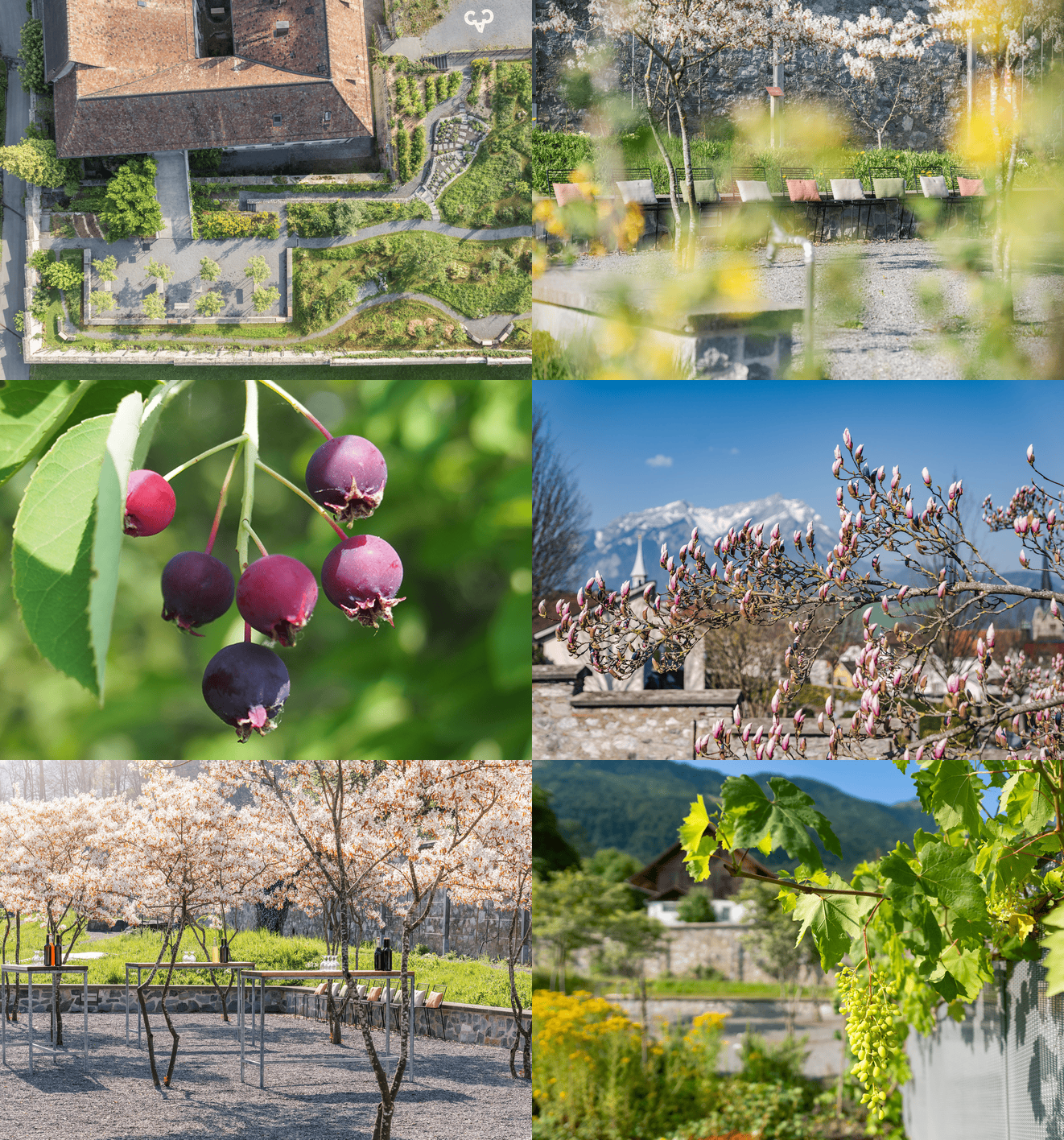
In front of you is our garden room. Eight rock pears bloom here in spring and give us delicious little blue berries in June. The magnolia tree at the bridge also unfolds its splendour in spring. Magnolia flowers are also edible! The flowers taste slightly bitter and are reminiscent of chicory.
After the monastery wall with more fruit trellises, you will come to one of the warmest corners of the entire garden. A fig and two pomegranates thrive here. The Nashi pear also feels at home here. The Nashi pear originally comes from China and is grown throughout Asia. The shape of the fruits is more like that of apples, which is why they are sometimes called apple pears. The flesh is firmer and grainier than that of European pears.
Our insect hotel offers various species of wild bees an important nesting and wintering place. Most wild bees live solitary and are indispensable for the pollination of crops and ornamental plants. Insect hotels thus contribute to ecological diversity and the preservation of natural pollination paths.
Directly in front of it grows a mulberry. The green leaves of the white mulberry are used to breed the silkworm and were the main reason for introducing mulberry trees to Europe. Entire landscapes – mainly in southern Europe – were shaped by mulberry trees for silkworm breeding. Mulberries nibbled directly from the tree are a real treat. Due to their tenderness, they cannot be stored for long, but can be dried well.
To the right of the insect hotel, walk down the stairs into the shadowy realm.
The Shadow Realm
The Shadow Realm
The Shadow Realm
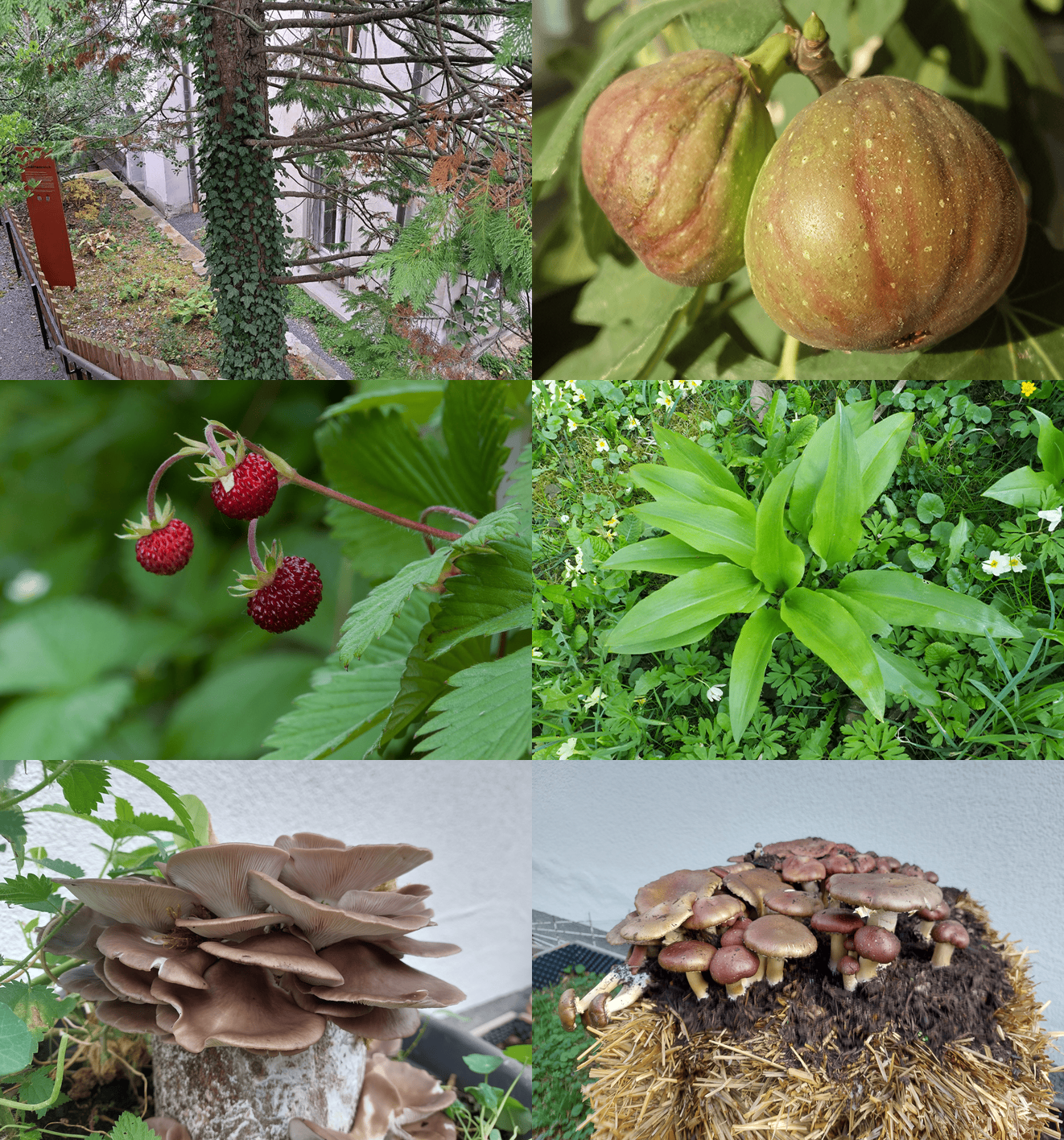
Now the path leads us into a shady area. It is cooler and quieter here. The place almost looks like a forest room. Peaceful, sheltered and ideal for resting. A fig tree rises into the light here, in the shade at its feet grows the woodruff. Wild strawberries and wild garlic also feel most at home in the shade.
In this place of peace, one can ask oneself an unusual question. What would plants tell us if they could talk? Maybe they would say, „I need sun, but not too much – otherwise I’ll burn. I need enough water. Without bumblebees, beetles and butterflies, I don’t bear fruit.“ A haunting image. If you listen, you can see that plants need our care.
Let us therefore ensure a lively diversity. Let’s plant shrubs and herbs in good soil, plant large trees in between, create spaces where it buzzes and flutters. Then we humans thrive too. Edible landscapes – colourful, diverse and lively – are a promise for the future for cities and villages. Those who cultivate it invest in a world worth living in.
Here in the realm of shadows, our paradise for edible mushrooms is also being created! Because mushrooms also like it shady and moist. Unfortunately, our mushroom garden is excluded from snacking! Because apart from mushrooms, edible mushrooms may NOT be eaten raw!
Oyster mushrooms and lung mushrooms grow on beech wood trunks and the culture deceiver feels at home on straw bales. Would you like to grow your own edible mushrooms in your garden or on your balcony? It works wonderfully! The CUINARIUM ALPINUM regularly offers workshops in which practice-oriented basics for the cultivation of edible mushrooms are taught.
Then return to the garden room, walk to the front end of the garden room, turn left there and walk down the stairs one level. Follow the path to the herb bed.
The herb bed with dry stone wall
The herb bed with dry stone wall
The herb bed with dry stone wall
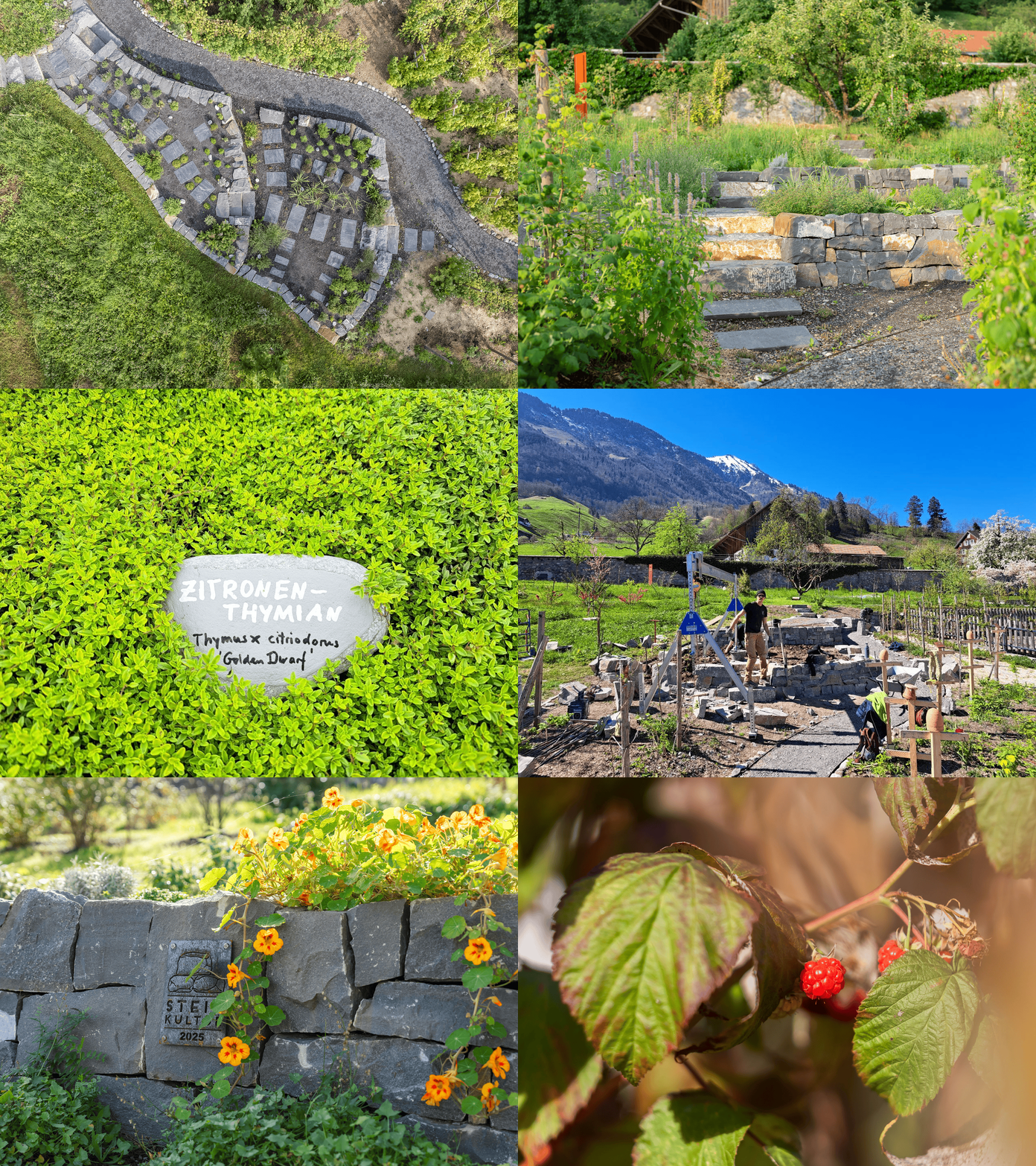
In our herb garden you will discover a variety of culinary herbs such as lemon thyme, savory, oregano, rosemary and sage. There are also edible alpine plants among them. They invite you to smell, taste and discover. Here, local flavours meet alpine spice.
Interested parties can attend a workshop on the subject of edible alpine plants every year.
Particular attention is paid to the dry stone wall, which was built together with a specialist. This ancient construction method is deeply rooted in the Alpine region and does not require mortar or concrete. The stones were brought in large blocks from a nearby quarry in Obwalden and worked on site with hammer and chisel. Stone by stone was artfully prepared and piled up, creating a stable, breathing structure. The wall not only serves as support, but also creates sheltered niches and heat islands – ideal conditions for heat-loving herbs such as thyme, hyssop or mountain savory. At the same time, a species-rich habitat for lizards, wild bees and many other small garden inhabitants is created. A place that shows how traditional techniques and biodiversity become a living whole.
Various summer and autumn raspberries grow next to the herb bed. Can you find some ripe berries to snack on?
Then run down the two flights of stairs to the front part of the parking lot. Here you will find the raised beds with edible flowers.
The flower beds
The flower beds
The flower beds
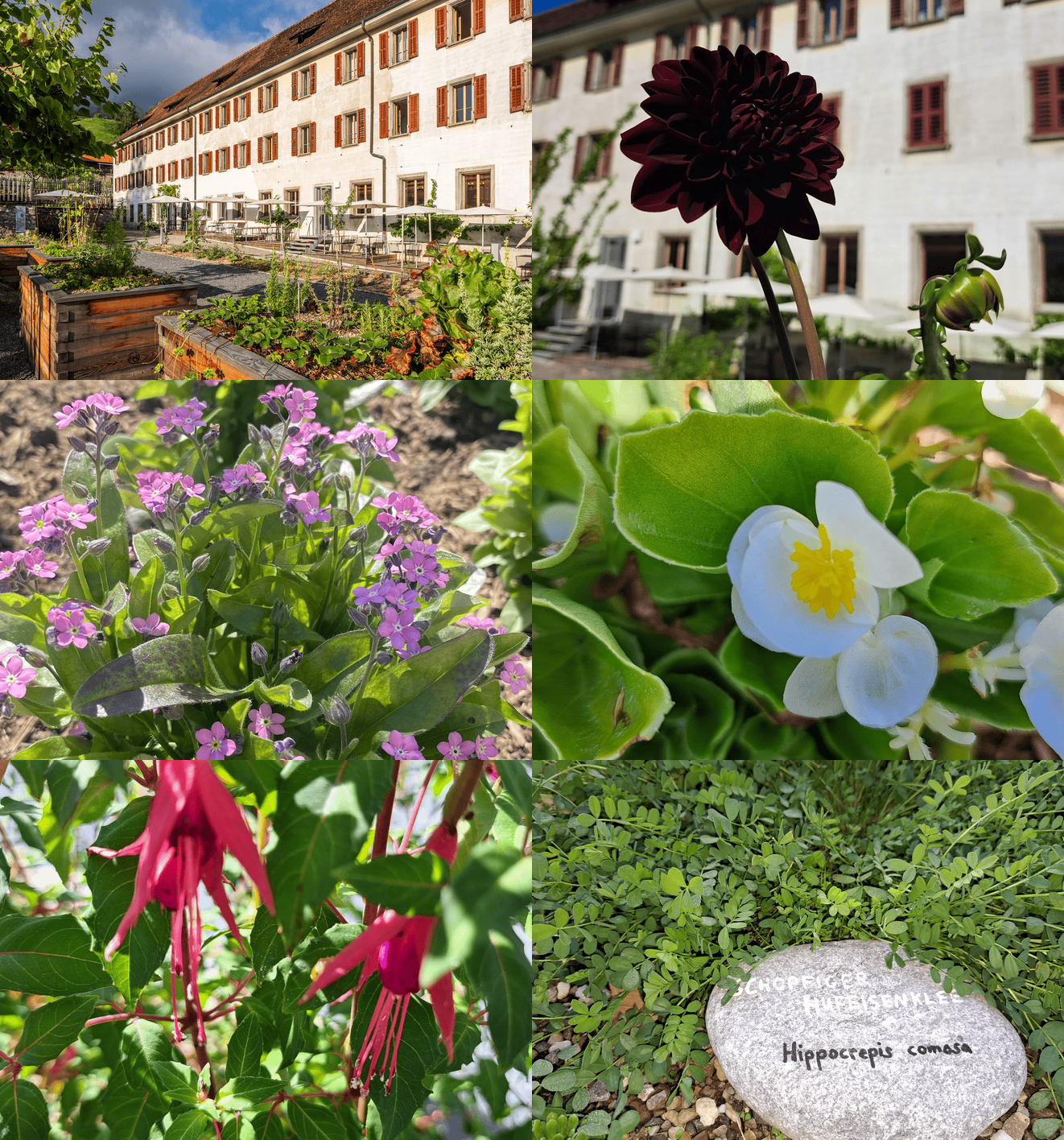
All the plants in these six raised beds bear edible flowers. Some of them are known to many people as edible: for example, calendula, borage or nasturtiums. But did you know that you can eat dahlia flowers? The flowers of roses, phlox, pansies, forget-me-nots, mallows and snapdragons are also edible.
You will also find edible alpine plants such as the alpine stone quendel, the Allemann’s armour or the hot wall pepper. Every year we hold courses where you can get to know edible alpine plants and plants along the way.
You can also plant all these plants yourself on your balcony or in your garden. They bring colorful flower dabs on salad and other dishes and put a smile on your face! After all, the eye eats with you.
And so at the end of our tour through the Edible Landscape, it is once again said: Snacking allowed!
Complete the „NaTour“ tour in the restaurant with a coffee or stock up on delicacies from the Alpine region in the monastery shop.
Tip If you are interested in a tour of the house, ask at the restaurant or reception for directions for the „KulTour“ tour.
See you next time!